
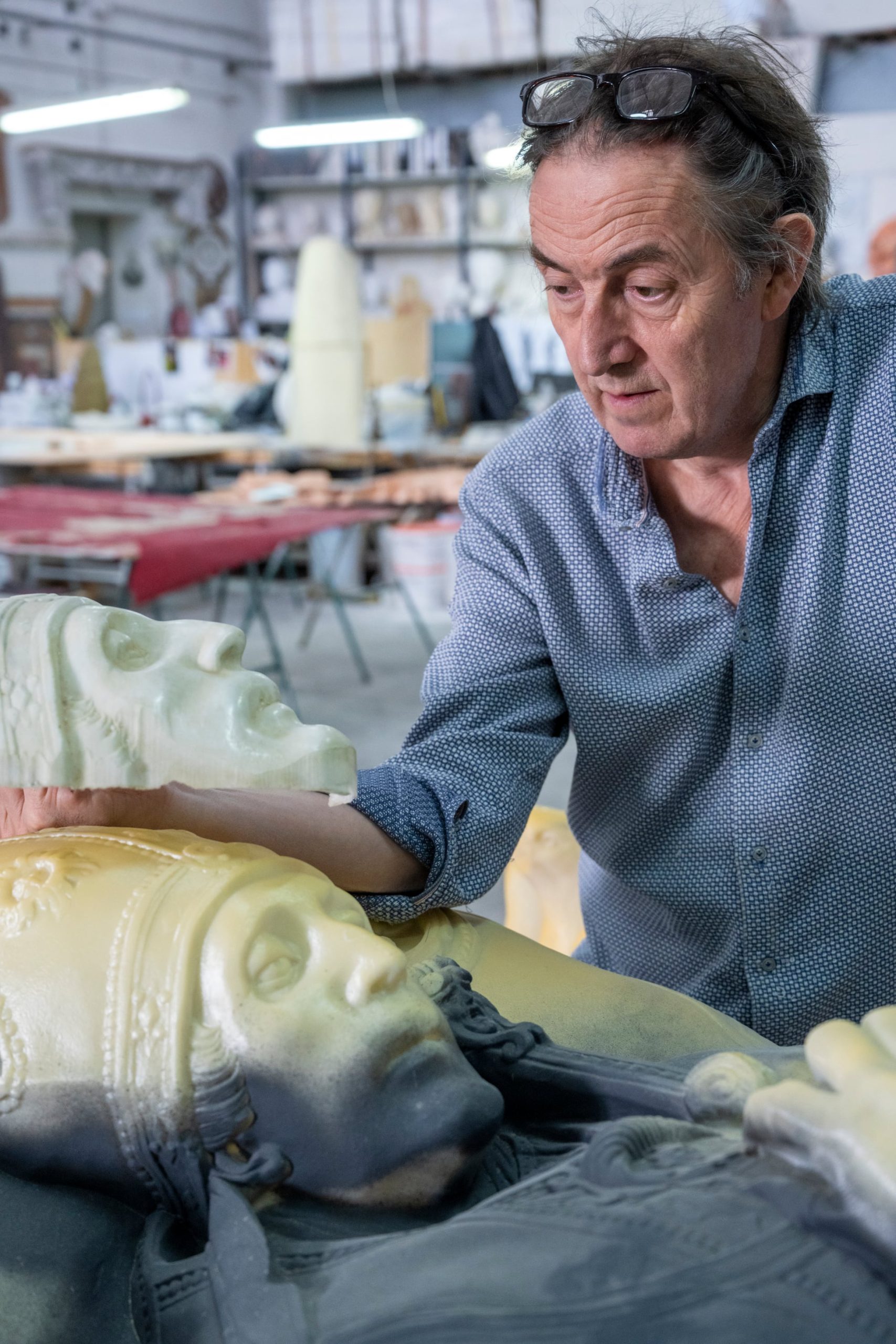
“The greatest threat today to cultural heritage is war. The greatest destroyer of heritage was the Second World War; indiscriminate aerial bombings destroy many human lives and much culture,” says Adam Lowe. He was born in Oxford in 1959 and there he studied at the Ruskin School, the Faculty of Fine Arts of that prestigious university. He wanted to be an artist, but ended up fascinated by technology and in 2001 he created – with the Spaniards Manuel Franquelo and Fernando García-Guereta – Factum Arte, a company that works with contemporary artists such as Anish Kapoor or Marina Abramovic, and also specialized in the digitization of cultural heritage.
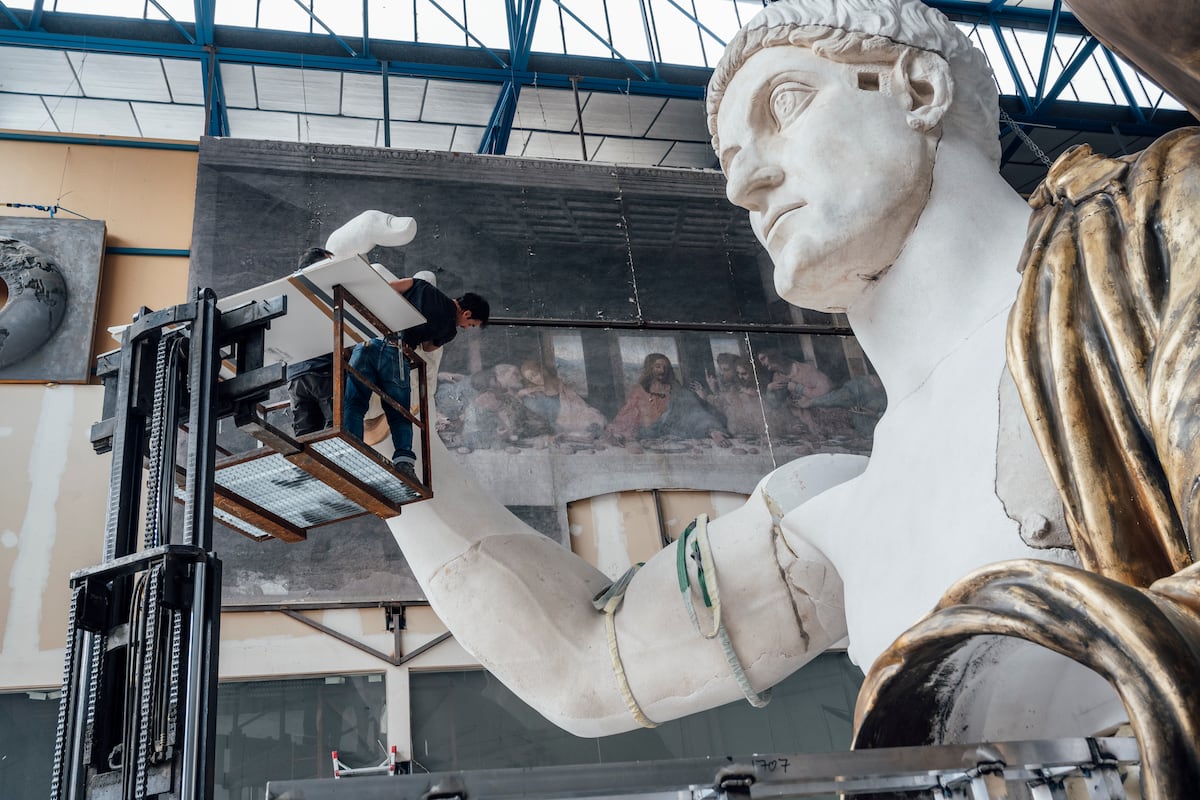
With 3D scanners and precision photography they tackled their first major heritage commission, the creation of a facsimile of the tomb of Pharaoh Seti I in the Valley of the Kings, in which they had the support of the Egyptian Government. By making these copies, he argues, they contribute to reconstructing lost works—such as the Colossus of the Roman Emperor Constantine, a monumental sculpture of which only fragments were preserved and which they recreated supported by the Prada Foundation and the Capitoline Museums—and to prevent the disappearance of others, from prehistoric paintings to medieval codices or Renaissance canvases. “At the same time that we were making Seti’s tomb, we worked with some petroglyphs in the Amazon, then in the Nabataean sites of Saudi Arabia… All those places are in danger,” explains Lowe, “the sacred cave of Kamukuwaká, in the Amazon, was vandalized and we showed how an object identical to the one that existed before that act of vandalism can be digitally restored and physically reproduced. It was a turning point, many people who were against copies could see that this position is a prejudice.” In 2009 they created the Factum Foundation to emphasize that preservation, and this year they received the ADN Forum award, which highlighted “their innovative approach, which combines the most advanced technology with craftsmanship to ensure that world heritage is accessible and protected for future generations.”
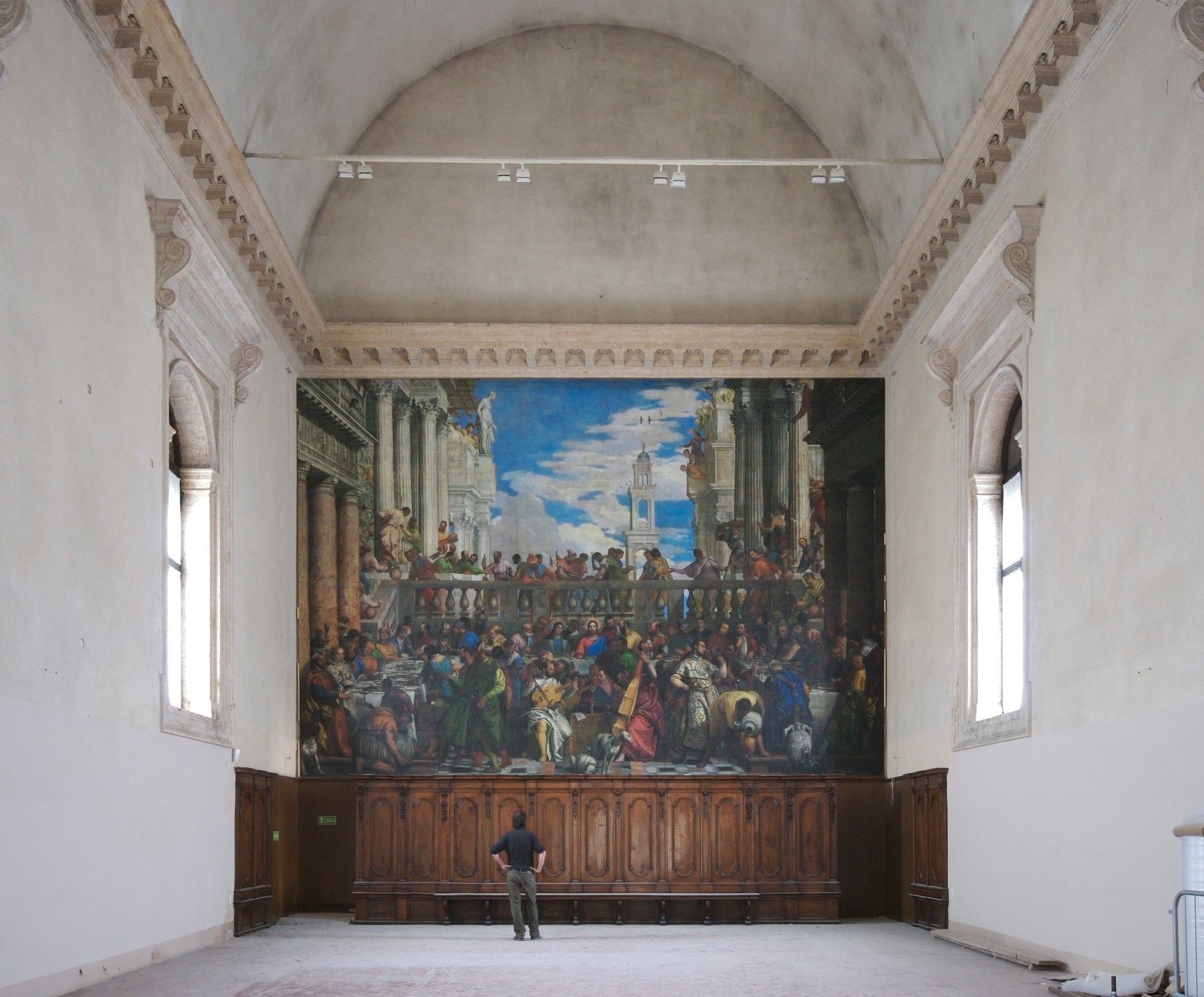
Its headquarters are in the Madrid neighborhood of San Blas, and around 70 people work between the Factum Arte and Factum Foundation teams. With each assignment they raise new questions. Lowe explains this by using the example of Paolo Veronese’s The Wedding at Cana, an oil on canvas painted between 1562 and 1563: “It was crucial to our career and has continued to generate interest. This year, Jeff Bezos got married there, in San Giorgio Maggiore. There’s no doubt about it: the original, much restored, is in the Louvre. But you can’t see it well, it’s hanging at the wrong height, in the wrong light, in a frame and right in front of the Mona Lisa. And that work was painted to be contemplated in silence every day by the monks in the refectory. With the facsimile that we made, you can see it in the building for which it was painted, with the light for which it was painted, and that completely transforms the painting, which enters into dialogue with the architecture and comes back to life. For me, the most important thing was that people began to say: ‘There is no doubt that the Louvre painting is the original, but the experience of seeing the. facsimile in the refectory is much more authentic. This makes you think: what do you see when you look at an image?”
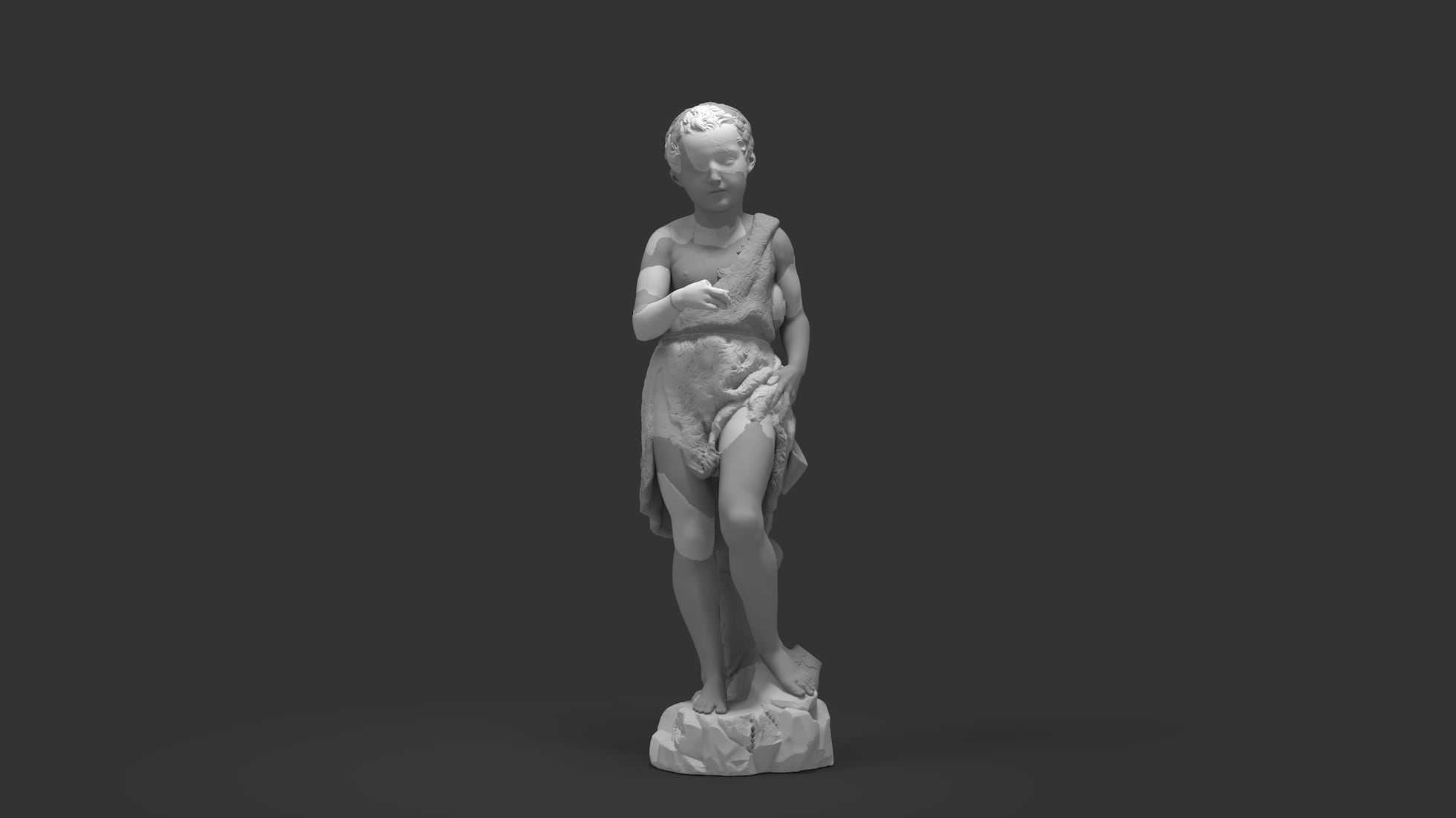
By placing the missing pieces, they have shown the appearance of works that did not survive the ups and downs of history, such as Michelangelo’s San Juanito, destroyed during the Civil War. Because with their work they never stop raising issues that have to do with the evolution of the world and societies, such as the implications of mass tourism or climate change on heritage conservation: “They are great threats and raise doubts. Tourism plays an important role, for example in Egypt. Luxor needs visitors, the money they bring. But at the same time those tombs were not built to be visited. They lasted 3,500 years in an almost perfect state, but since the 20th century they have suffered a lot.”
Article written by: Luis M. Antonetti
INSTAGRAM: https://www.instagram.com/fotolibre/